

Chamber Highlights | Week Of Apr. 20-24
April 24, 2026
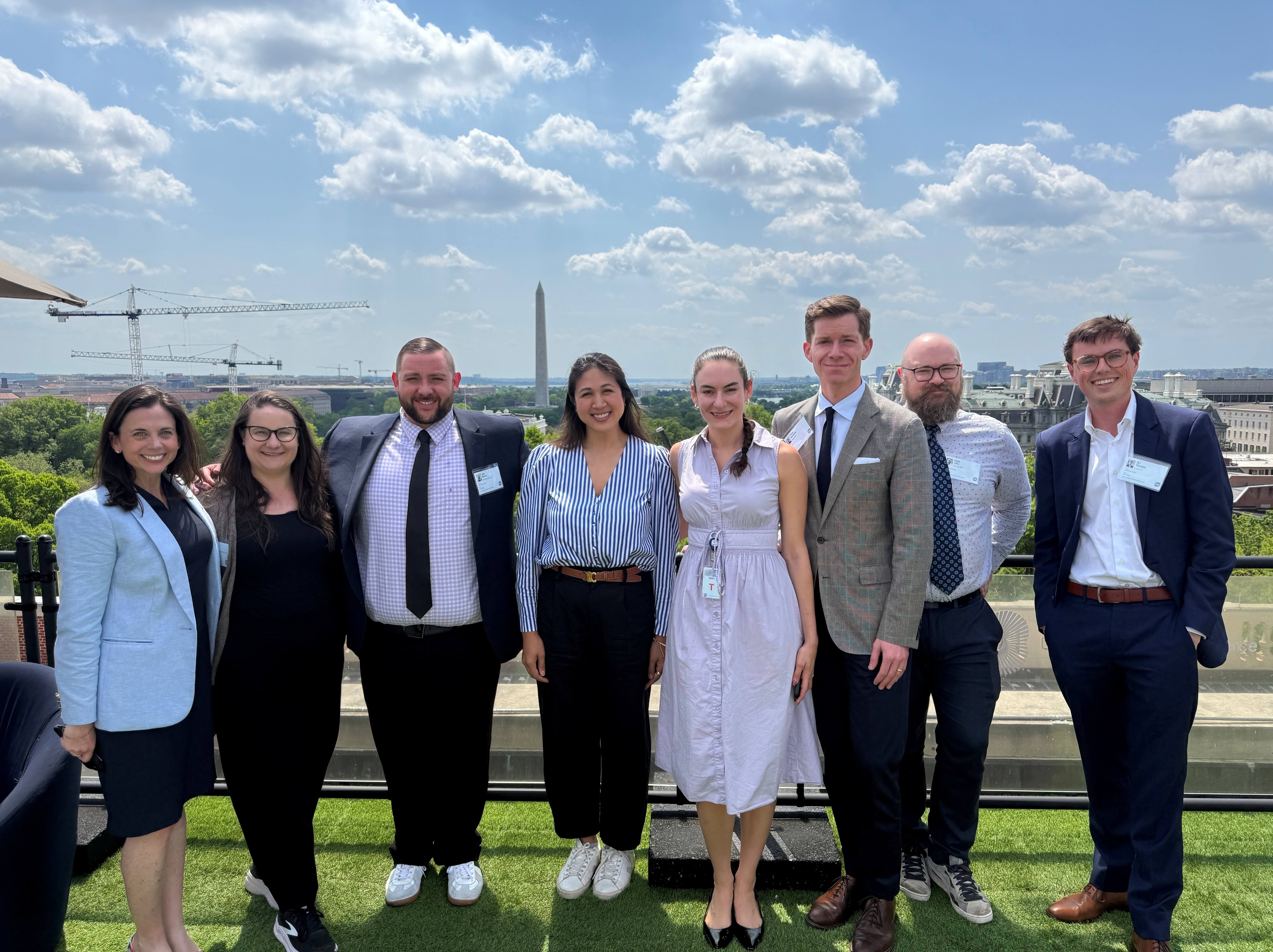
This week, CEO Ananda Rochita was busy traveling and making cross-country connections!
Attending the Capitol-to-Capitol (Cap-to-Cap) program in Washington, D.C. was an incredible reminder of the power of regional collaboration and advocacy. Each year, hundreds of business, civic, and elected leaders from across our six-county region come together to meet with federal officials and champion priorities that drive economic growth, workforce development, and quality of life in our communities.
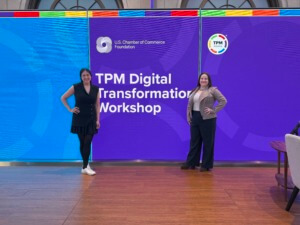 From that program, Ananda was selected to participate in the U.S. Chamber of Commerce Foundation’s Talent Pipeline Management (TPM) Digital Transformation Cohort, which brings together leaders from across the country to advance innovative, employer-led workforce strategies. Together, these experiences continue to shape how we think about advocacy, workforce, and the future of our regional economy.

The membership team welcomed over 25 non-profits to the bi-monthly non-profit roundtable on Tuesday with a mastermind session about how to recruit and retain volunteers.
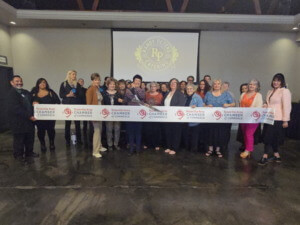
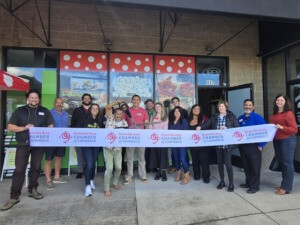
They celebrated two members with Ribbon Cuttings: Placer Women's Network on Tuesday, and Mushy Love on Wednesday.
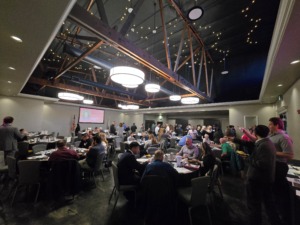
On Thursday, they welcomed 110 members to the April Breakfast and represented the Chamber at the Placer Valley Business Summit.

This week also brought the addition of nine new members! Join us in welcoming them to the chamber:
- David Nelson for City Council, 2026
- Good Life Restoration
- Hometown Lift
- GYMGUYZ Sacramento Northeast
- Prestige Mobile Auto Spa
- Smith Family Medicine
- Intercare Therapy
- Quick Quack Car Wash - Douglas Blvd.
- Ascension Leadership Inc.

In advocacy updates this week, a new bill moving through the State Capitol, AB 1704, aims to reduce the environmental impact of building materials—while recognizing the real-world cost pressures facing developers and businesses.
The legislation focuses on “embodied carbon,” or the emissions created during the manufacturing of materials like concrete and steel. California has set ambitious goals to reduce these emissions, but AB 1704 adds an important safeguard: those requirements cannot move forward unless lower-carbon materials are cost-competitive with traditional options.
If greener alternatives are still more expensive, the state would be required to pause implementation and reassess over time. The bill also ensures these efforts do not turn into new fees or revenue-generating programs, and clarifies that developers are not held responsible under environmental review laws for emissions created during the manufacturing process.
AB 1704 reflects a more balanced approach to sustainability—one that supports California’s climate goals without placing undue financial burden on development, housing, or commercial projects.
We’ll continue to monitor this legislation and advocate for policies that support both economic growth and environmental responsibility in our region.